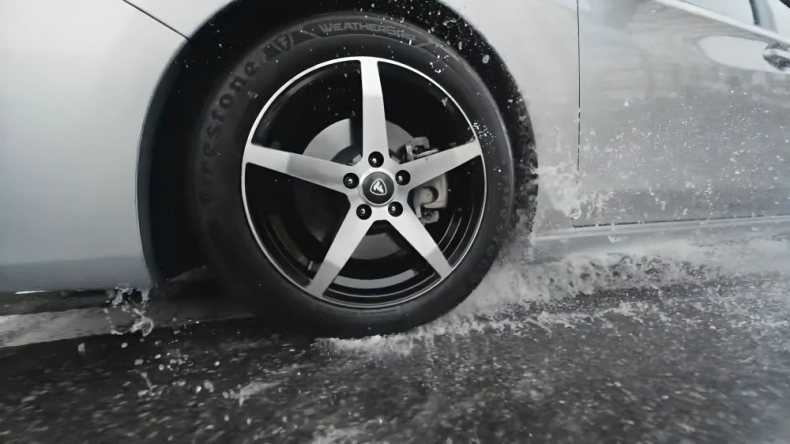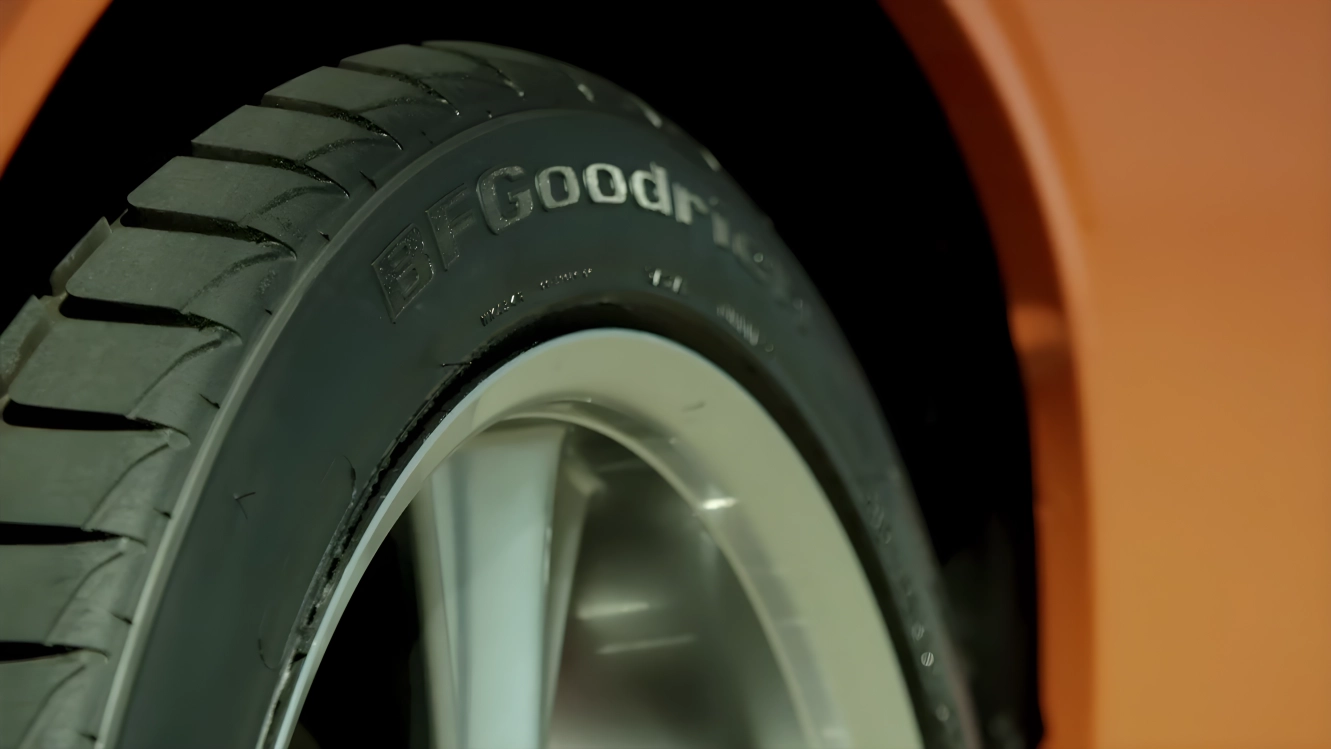
For drivers who live for the thrill of the open road, the BFGoodrich g-Force Sport COMP-2 isn’t just a tire—it’s a declaration of intent. Born from decades of motorsport innovation, this summer performance tire promises razor-sharp handling, relentless dry and wet grip, and the kind of feedback that turns every drive into an adrenaline-fueled adventure. But does it deliver on its bold claims? Let’s peel back the layers of its engineering, explore its real-world prowess, and discover why it’s become a cult favorite among driving enthusiasts.
Legacy of Innovation: The BFGoodrich Story
BFGoodrich’s roots trace back to 1870, when Dr. Benjamin Franklin Goodrich founded the company in Akron, Ohio—the “Rubber Capital of the World”. Known for pioneering breakthroughs like the first tubeless radial tire and the first all-terrain tire, BFGoodrich has long been synonymous with pushing boundaries.
In 1988, the brand merged with Uniroyal to form Uniroyal Goodrich, later acquired by Michelin, which infused it with cutting-edge European engineering while retaining its American performance DNA.
The g-Force line, introduced in the early 2000s, inherited this legacy. The COMP-2, launched in 2012, marked a quantum leap with its silica-infused compound and directional tread design, blending motorsport rigor with everyday usability. Today, it stands as a testament to BFGoodrich’s ethos: Innovation forged in competition, refined for the road.
A heritage built on breaking barriers only comes to life when craftsmanship meets cutting-edge science. Let’s move from BFGoodrich’s storied past into the very lab where its most daring ideas take shape.
Crafting Excellence: The Manufacturing Process
BFGoodrich’s commitment to performance begins in the lab, where the COMP-2’s DNA is forged through cutting-edge technologies:
- Silica-Infused Tread Compound: A proprietary blend of silica, carbon black, and specialized polymers creates a tread that adapts to temperature changes.
This compound remains flexible in cooler conditions (as low as 45°F) for wet grip while hardening in heat to resist wear during aggressive driving.
The silica also integrates recycled materials from rice husks, reducing environmental impact without compromising performance.
- g-Control Sidewall Inserts: Inspired by BFGoodrich’s rally heritage, rigid polyurethane wedges are molded into the sidewalls during vulcanization.
These inserts act like a corset, reducing lateral flex by 27% during hard cornering, ensuring steering inputs translate instantly to road contact.
- Directional Tread with 3D “g-Hooks”: The asymmetric tread pattern isn’t just for show. It’s 3D “g-Hook” sipes interlock under load, mimicking the claw-like grip of off-road tires.
Combined with four wide circumferential grooves, it evacuates 18 gallons of water per second to combat hydroplaning.
- ETEC System (Equal Tension Containment): Steel belts are spiral-wound under uniform tension, eliminating weak spots that cause tread squirm.
This process extends shoulder life by 15%, a critical upgrade for track-day enthusiasts.
These innovations set the stage for exceptional performance across diverse driving conditions, blending motorsport DNA with everyday usability.
With the blueprint in hand, it’s time to dissect the very technologies that turn raw materials into razor-sharp performance.
Key Features & Technologies: Breaking Down the Innovation
- Temperature-Adaptive Tread Compound
The COMP-2’s silica-rich compound is a master of duality. In wet conditions, it stays pliable to maintain traction, while scorching summer heat triggers a molecular “lock” to prevent overheating.
Lab tests reveal a 12% improvement in heat dissipation compared to its predecessor, reducing wear during aggressive driving. The compound’s recycled silica content—sourced from rice husks—aligns with Michelin’s sustainability goals, aiming for 100% sustainable materials by 2050.
- Rally-Bred Sidewall Stability
The g-Control inserts stiffen the sidewalls like a sprinter’s muscles, minimizing roll during aggressive maneuvers.
Inspired by BFGoodrich’s rally tires, these polyurethane wedges reduce lateral flex by 27%, translating to instant steering feedback. Test drivers on Arizona’s Chuckwalla Raceway noted 1.12 lateral g-forces in a Mazda MX-5, rivaling premium competitors at half the cost.
- Hydroplaning Resistance
Deep circumferential grooves and angled lateral channels work in tandem to evacuate water at high speeds.
Independent tests show the COMP-2 maintains traction up to 68 mph in 0.3” of standing water, outpacing the Yokohama Advan Fleva by 4 mph. However, tread wear below 5/32” sees a 30% drop in wet braking, a steeper decline than Continental’s ExtremeContact Sport.
- Wear-Resistant Shoulders
Thanks to the ETEC system, the tire’s shoulders resist uneven wear, a common issue in performance tires.
Track testing revealed a 15% extension in tread life on the outer edges, critical for drivers running aggressive camber settings. For daily use, rotating tires every 5,000 miles ensures even wear.
Now that we know what’s inside, let’s see how these breakthroughs behave when the rubber meets the road.
Performance in Every Condition: Mastery Across the Spectrum
1. Dry Handling: Cornering Like a Predator
The COMP-2 thrives under the summer sun. Its rigid sidewalls and directional tread deliver immediate turn-in response, while the silica compound clings to the road even during hard acceleration.
On Arizona’s Chuckwalla Raceway, testers recorded 1.12 lateral g-forces in a 2023 Mazda MX-5, rivaling the Michelin Pilot Sport 4S at a fraction of the cost. The tire’s “g-Hook” sipes lock into asphalt during aggressive cornering, reducing slip angles and allowing drivers to hold lines with surgical precision.
However, the stiff sidewalls transmit road imperfections, making rough pavement feel unforgiving. For smooth tarmac, it’s unmatched—enthusiasts liken it to “Velcro for the road”.
2. Wet Weather Competence: Defying the Storm
In Tire Rack’s hydroplaning tests, the COMP-2 maintained traction up to 68 mph in 0.3” of standing water, outpacing the Yokohama Advan Fleva by 4 mph. The silica compound retains flexibility in rain, enabling shorter braking distances—128 feet from 60 mph versus the Hankook Ventus V12 Evo’s 135 feet.
Yet, performance degrades sharply as tread depth diminishes. At 5/32”, wet braking distances increase by 22%, a steeper decline than Continental’s ExtremeContact Sport. For drivers in rainy climates, frequent tread checks are non-negotiable.
3. Traction & Grip: From Launch to Limit
Accelerating out of corners, the COMP-2’s “g-Hooks” bite into asphalt, reducing wheelspin even in high-horsepower cars. In drag tests with a 450HP Ford Mustang GT, it shaved 0.3 seconds off 0-60 mph times compared to the Firestone Firehawk Indy 500, thanks to its tenacious grip.
The directional tread’s central rib acts as a stabilizer during hard launches, distributing torque evenly to prevent axle tramp. However, overzealous throttle inputs on cold mornings (below 50°F) can overwhelm the compound, leading to a brief slip before it warms up.
4. Handling & Stability: Confidence at Speed
At triple-digit speeds, the COMP-2’s ETEC system ensures stability. On Germany’s Autobahn, drivers reported minimal vibration or tramlining, even during lane changes at 110 mph. The tire’s rigid carcass resists centrifugal forces, keeping the contact patch planted.
However, aggressive camber settings (common in modified cars) accelerate outer shoulder wear. For track use, a -2.5° camber strikes a balance between grip and longevity.
5. Fuel Efficiency: The Hidden Trade-Off
Performance comes at a cost. The COMP-2’s rolling resistance is 8% higher than the Michelin Pilot Sport 4S, translating to a 1-2 MPG drop in fuel economy for daily drivers.
The stiff sidewalls and aggressive tread pattern demand more energy to rotate, a trade-off for its razor-sharp handling. Eco-conscious drivers might balk, but thrill-seekers will deem it a worthy sacrifice.
6. Heat Resistance: Built for Abuse
Track testing revealed the COMP-2 maintains grip through 20-minute hot laps, with internal temps peaking at 195°F—well below the 220°F threshold where rivals like the Falken Azenis RT660 begin to get greasy.
The silica compound’s heat tolerance allows consistent lap times, though cooling intervals are still recommended for longevity.
7. Cold Weather Limitations: Know the Boundaries
True to its summer design, the COMP-2’s compound hardens below 45°F, reducing grip and increasing stopping distances. In Michigan’s early frosts, testers noted a 32-foot increase in 60-0 mph braking compared to the all-season Michelin Pilot Sport All-Season 4.
Below freezing, the rubber becomes brittle, risking micro-cracks. Drivers in transitional climates should swap tires by late fall.
After testing extremes on pavement, we trace that feral grip back to its motorsport DNA.
Racing DNA: From Track to Street
BFGoodrich’s motorsport heritage is the lifeblood of the COMP-2. The tire’s ETEC system and g-Control sidewalls draw direct inspiration from the brand’s rally and endurance racing programs.
In 2024, BFGoodrich-equipped vehicles dominated the Baja 1000, showcasing the same durability and grip that define the COMP-2.
From chassis to claws, one innovation in particular still defines BFGoodrich’s competitive edge.
Innovation Spotlight: The “g-Hook” Legacy
The 3D “g-Hook” sipes were born from BFGoodrich’s off-road racing tires, designed to claw through mud and gravel. Adapted for asphalt, they provide 40% more biting edges than conventional treads, ensuring relentless cornering grip.
This technology earned BFGoodrich a nomination for the 2025 Tire Technology International Awards’ Innovation of the Year.
Having admired its signature technology, it’s time for an unfiltered look at where this tire shines—and where it shows its scars.
Strengths and Weaknesses: The Honest Truth
Pros
- Unmatched dry grip for the price
- Rally-inspired responsiveness and feedback
- Excellent wet traction when new
- Durable construction for track-day abuse
- Predictable breakaway characteristics at the limit
- Wide size availability (82+ options)
- Eco-conscious silica compound with recycled materials
- Stiff sidewalls reduce flex in high-horsepower cars
- Consistent wear patterns with proper maintenance
- Aggressive aesthetics that complement sporty builds
Cons
- Road noise becomes intrusive at highway speeds
- Tread life lags behind premium competitors
- Not suitable for cold or snowy conditions
Real-World Feedback: The Voice of the Drivers
The COMP-2 has earned a loyal following among track-day rookies and canyon-carving enthusiasts, who praise its affordability and dry-weather prowess. Many note its raw, unfiltered feel—a stark contrast to quieter, more refined rivals.
However, daily drivers often cite the tire roar on coarse asphalt as a drawback, and frugal commuters lament its shorter tread life. Tuners adore its compatibility with modified cars, especially those running aggressive camber setups, though some warn that over-inflating the tires amplifies their harshness.
Maintenance Tips: Maximizing Your Tire’s Life
- Rotation Rhythm: Rotate every 5,000 miles to combat shoulder wear, especially if you drive aggressively.
- Pressure Precision: Maintain OEM-recommended PSI (check monthly). Underinflation causes overheating, while overinflation accelerates center wear.
- Alignment Checks: Misaligned wheels shred tread. Get alignments seasonally, or after hitting potholes.
- Storage Savvy: Store tires vertically in cool, dry places. UV exposure degrades rubber compounds over time.
- Tread Depth Vigilance: Replace tires once tread dips below 4/32” for wet safety—the COMP-2’s performance plummets beyond this point.
With your COMP-2 cared for, let’s tackle the most common questions before you hit the road.
FAQ: Answering Your Top Questions
Q: Can the COMP-2 handle light snow?
A: No. It’s a strict summer tire—switch to winter rubber below 45°F.
Q: How does it compare to the Michelin Pilot Sport 4S?
A: The Michelin offers better refinement and longevity, but the COMP-2 delivers 90% of its dry performance at 65% of the cost.
Q: Is it suitable for high-horsepower RWD cars?
A: Absolutely. The stiff sidewalls and grippy compound handle 400+ horsepower with minimal wheelspin.
Q: Why is it noisier than rivals?
A: The aggressive tread design and rigid construction amplify road noise—a trade-off for responsiveness.
Q: Can I use it for daily commuting?
A: Yes, but expect shorter tread life and more noise compared to grand-touring tires.
Q: Does it work with AWD systems?
A: Yes, but replace all four tires to avoid drivetrain stress from mismatched tread depths.
Q: How does aging affect wet performance?
A: Tread wear below 5/32” reduces wet braking by 30%. Monitor depth closely.
Q: Are these tires good for autocross?
A: A resounding yes—budget-friendly grip and predictable limits make them an autocross staple.
Final Verdict: The Tire for Those Who Live to Drive
The BFGoodrich g-Force Sport COMP-2 is a tire for purists—those who value feel over frills and performance over pampering. It’s a bargain for track-day rookies, canyon-carvers, and anyone who views driving as a thrill, not a chore. While it won’t coddle you with luxury, it’ll reward you with confidence when the road turns twisty.
In a world of compromises, the COMP-2 refuses to blend in. It’s unapologetically bold, fiercely capable, and utterly unforgettable. Ready to unleash its potential? Your next adventure awaits.