Winter driving comes with its unique challenges, and one of the most pressing concerns for many drivers is maintaining traction on icy or snow-covered roads. Tire chains are an invaluable tool in such conditions, providing the grip needed to keep your vehicle stable and secure. Yet, one surprisingly common obstacle stands in the way: figuring out the correct size of tire chains. If you’ve ever found yourself overwhelmed by the process, you’re not alone.
This guide will help you determine the right size of tire chains and address the common pitfalls that trip up drivers. Along the way, you’ll gain the confidence and knowledge to make the right choice, ensuring safe and stress-free winter driving.
The Common Problems Drivers Face
Drivers often encounter several issues when trying to determine the correct size and type of tire chains. Here are some of the most frequent problems:
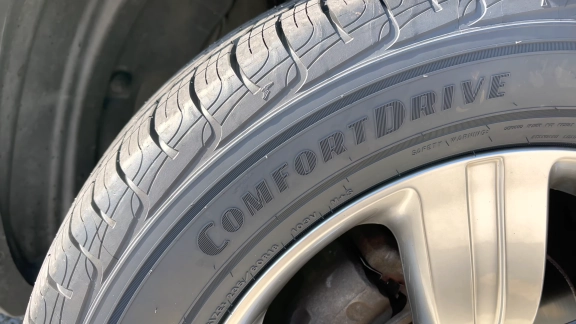
- Understanding Tire Specifications: Many drivers struggle to decode the numbers and letters on their tire’s sidewall. For example, a size like 225/65R17 represents the tire’s width, aspect ratio, and wheel diameter, but these details can be confusing without guidance.
Misinterpreting these specifications often leads to purchasing the wrong size chains, which can compromise safety and performance. Taking the time to understand these numbers is crucial for an accurate fit.
- Ill-Fitting Chains: Poorly fitting chains are a common problem. Chains that are too small can be impossible to secure, while oversized chains may slip off or damage your tires.
This issue often arises from guessing the size or skipping the step of consulting the manufacturer’s size chart. Properly measuring your tires and verifying the chain’s compatibility can prevent these headaches.
- Compatibility with Vehicle Design: Modern vehicles often have limited wheel-well clearance, making standard chains unsuitable. Installing chains that are too bulky can result in damage to suspension components, brake lines, or even the vehicle body.
Checking your vehicle manual for clearance requirements and considering low-profile or cable chains is essential to avoid these issues.
- Lack of Availability During Winter: Many drivers wait until a snowstorm is imminent to purchase chains, only to find limited options or sold-out inventory. Planning ahead and buying chains before winter begins ensures you have the right tools on hand when you need them.
- Installation Challenges: The process of installing tire chains can be intimidating, especially in cold and snowy conditions. Drivers unfamiliar with the steps may struggle to secure the chains properly, leading to frustration and potential safety risks. Practicing installation in a safe, dry environment ahead of time can save valuable time and stress.
Each of these challenges can be addressed with a proactive approach, detailed research, and preparation. By understanding these common pitfalls, you can avoid them and ensure a safer driving experience.
Step 1: Understand Your Tire’s Dimensions
Your journey to finding the perfect tire chains begins with understanding your tires. Look for the series of numbers and letters on the sidewall, such as 225/65R17. These figures represent three critical measurements:
- Width: The first number, 225 in this example, refers to the tire’s width in millimeters from sidewall to sidewall.
- Aspect Ratio: The second number, 65, indicates the height of the tire’s sidewall as a percentage of its width. A lower aspect ratio means a shorter sidewall, which may limit chain options.
- Wheel Diameter: The final number, 17, specifies the diameter of the wheel in inches. This ensures the chains fit the overall circumference of your tire and wheel combination.
Understanding these numbers is crucial because tire chains are designed to fit specific combinations of these dimensions. Misjudging even one measurement can render the chains ineffective or harmful to your vehicle. If you’re unsure about the details, refer to your vehicle’s manual or consult a tire professional for clarity.
Step 2: Check Your Vehicle Manual
Your vehicle manual is your best friend when it comes to tire chain compatibility. It provides tailored advice for your specific make and model, detailing whether standard chains, low-profile chains, or cable chains are suitable. Additionally, it outlines clearance requirements, which are especially critical for modern vehicles with advanced suspension systems or minimal wheel-well space.
In some cases, the manual may advise against using chains altogether, recommending alternatives like tire socks or studded tires instead. These alternatives are often easier to install and can provide adequate traction for mild to moderate winter conditions. Ignoring these recommendations can damage your vehicle and void your vehicle warranty, so always consult the manual before making a purchase.
Step 3: Choose the Right Type of Chains
Selecting the right chain type is just as important as finding the right size. Here’s a breakdown of the main options:
- Standard Chains: These heavy-duty chains offer excellent traction on deep snow and ice. However, they require more clearance and can be noisy or cumbersome to install. They’re best suited for off-road or rural driving conditions.
- Cable Chains: Lightweight and easier to install, cable chains are ideal for vehicles with limited clearance. While they provide less traction than standard chains, they are often sufficient for urban and highway driving.
- Self-Tensioning Chains: These innovative chains automatically adjust as you drive, maintaining a snug fit without manual intervention. They’re perfect for drivers who value convenience and efficiency.
- Studded Chains: These chains incorporate metal studs for maximum grip on ice but are subject to local regulations due to potential road damage.
When choosing chains, consider your driving conditions, vehicle specifications, and personal preferences. Investing in high-quality chains ensures reliability and durability, even in the harshest conditions.
Step 4: Utilize Online Tools and Sizing Charts
Many manufacturers offer online tools and sizing charts to simplify the process of selecting tire chains. These resources allow you to input your tire dimensions and generate a list of compatible options. Additionally, online reviews and user feedback can provide valuable insights into the real-world performance of specific chains.
When using these tools, double-check that the suggested chains match your vehicle’s clearance and traction requirements. Some retailers also offer fit guarantees or return policies, giving you added peace of mind.
Step 5: Test Fit and Practice Installation
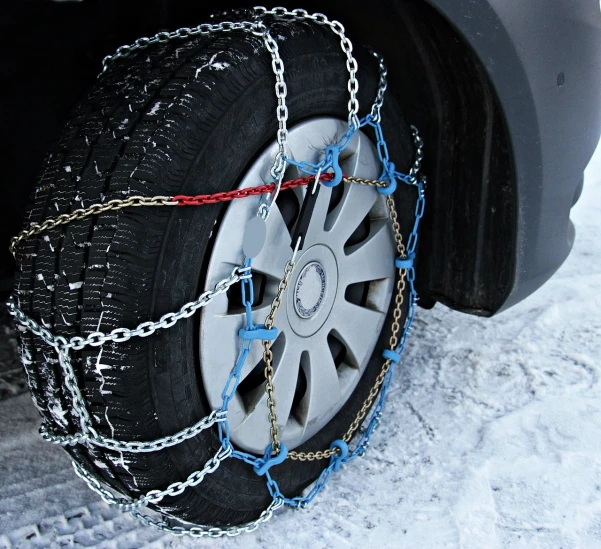
The final step is to test and practice installing your chains. Doing this in a safe, dry environment allows you to familiarize yourself with the process and identify any potential issues before you’re in a high-pressure situation. Follow these steps for a smooth installation:
- Lay Out the Chains: Spread the chains flat on the ground to ensure there are no tangles or twists.
- Position the Chains: Drape the chains over the top of the tire, ensuring they’re evenly distributed on both sides.
- Secure the Connections: Fasten the hooks or clips according to the manufacturer’s instructions. Start with the inner side of the tire, then move to the outer side.
- Drive Forward Slowly: Move your vehicle a few feet forward to let the chains settle. Recheck the fit and tension, tightening if necessary.
Keep a pair of sturdy gloves and a flashlight in your vehicle for added convenience during installation. Familiarity with this process can save valuable time and prevent unnecessary stress during winter storms.
Final Thoughts
Figuring out the size of tire chains doesn’t have to be daunting. By understanding your tire dimensions, consulting your vehicle manual, selecting the right type of chains, and practicing installation, you’ll be well-prepared for any winter road conditions.
Remember, preparation is the key to safe and stress-free winter driving. So, gear up and embrace the season with confidence—because the road to safety starts with you!